Bruton's high street shops, and the Instagram account they share

Bruton's high street has an Instagram account of its own. @brutonhighstreet covers the whole street rather than one shop, and it makes Bruton's independent traders far easier to find together than any of them is alone.
Someone planning a day in Bruton isn't going to follow eight separate shops first, but one account is a small ask. It reaches people in the weeks before a visit, while they're still deciding, whereas a shop's own followers are mostly people who have already been. And because it only works if it features everyone fairly, it gets shops that might see each other as rivals promoting each other instead. That habit may be worth more than the account itself, because businesses passing each other work is what a healthy local scene runs on.
The street has the mix to make it worth following. In 2015 I interviewed the family behind Truffles Brasserie, at the bottom of the High Street. Rose and Lyons is an independent lifestyle shop, and Commune sells a carefully chosen range built around self-care and the home. Until Christmas 2019, Fifty High Street was a joint pop-up between the homeware shop Labour and Wait and the team behind Hole and Corner magazine. They chose one shared address instead of two, and the same thinking works for a partnership of any size.
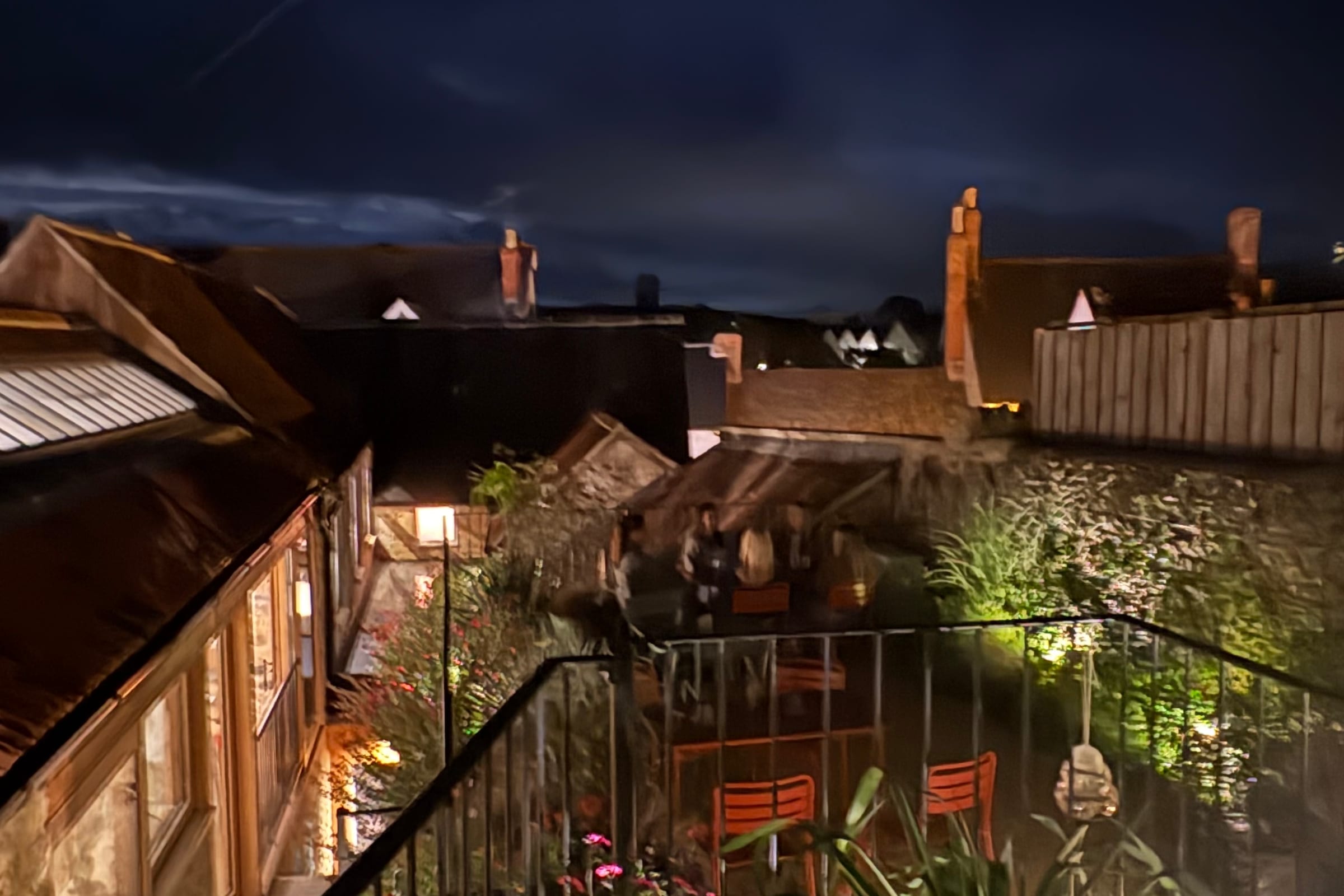
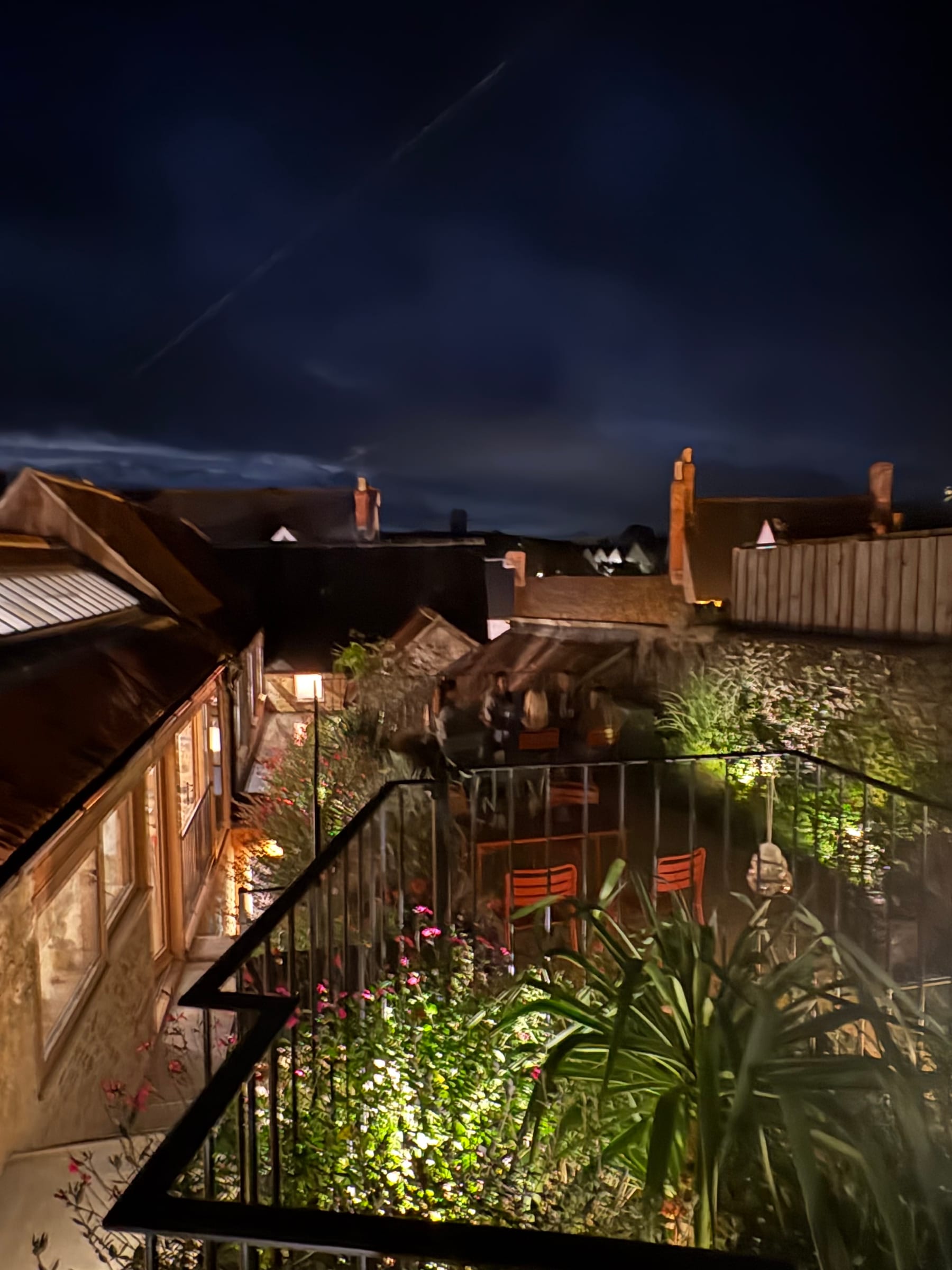
Shops here change hands often, so treat any list as a snapshot. One place worth seeing now is The Prickly Pear, back after an extensive renovation. It's stunning, and from the top of its garden there's a fantastic view over the town. This is that view, after dark.
A street account has its limits, though. It won't tell one shop's own story, or bring it the person searching for the thing it sells, and once visitors arrive, the shop still has to be worth finding. If you run one of those shops, that part is down to you, and it's what our page for Somerset businesses is about.
I founded oXo Creatives, an independent marketing agency and consultancy, in 2013 and run it full-time. Until 2026 I ran it alongside senior in-house marketing roles at Google, PlayStation and King, partner management at Meta, and digital product at NatWest.
Trading in Somerset?
If you run a business in Bruton, Wincanton, Castle Cary or nearby, ask us for a free 30-minute call about getting found by people searching locally. Or start with the checklist we use.


